TASSEOGRAPHY
Coffee cup & tea leaf symbols.
The shapes people find in coffee grounds and tea leaves, with their traditional meanings, a reflective reading, and where they sit in the cup.
Animals · Nature and sky · Objects and places · Shapes, lines, and signs
Animals
Animals often stand for qualities: loyalty, cleverness, freedom, or watchfulness.
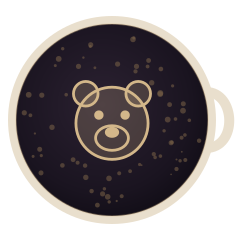
Bear
Strength · Protection · Resources
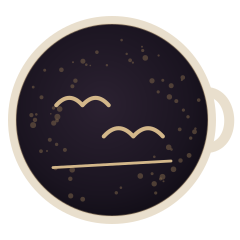
Bird
News · Freedom · Conversation
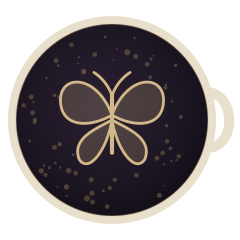
Butterfly
Change · Lightness · Pleasure
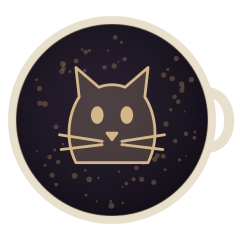
Cat
Independence · Intuition · Caution
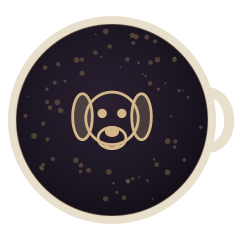
Dog
Loyalty · Friendship · Trust
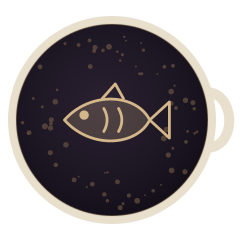
Fish
Abundance · Good fortune · Flow
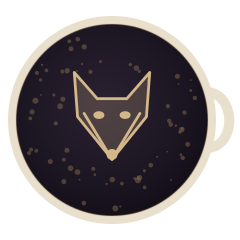
Fox
Cleverness · Caution · Self-interest
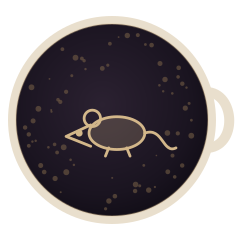
Mouse
Worry · Small losses · Wear
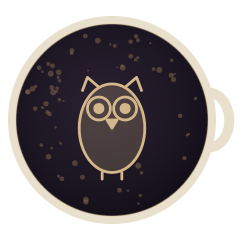
Owl
Wisdom · Night · Watchfulness
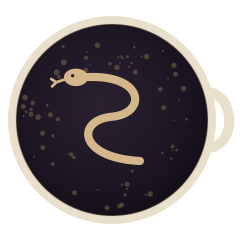
Snake
Complexity · Caution · Desire
Nature and sky
Natural shapes speak of growth, weather, light, and the seasons of a situation.
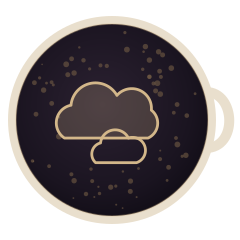
Clouds
Uncertainty · Doubt · Passing weather
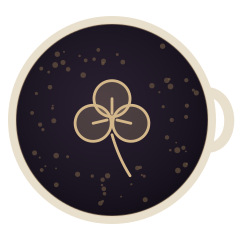
Clover
Luck · Lightness · Opportunity
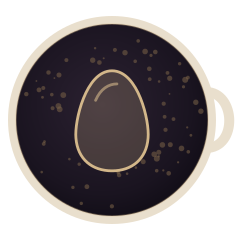
Egg
Potential · New beginnings · Patience
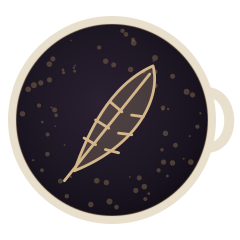
Feather
Lightness · Comfort · Expression
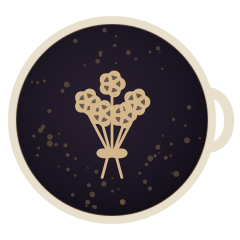
Flowers
Appreciation · Gifts · Happiness
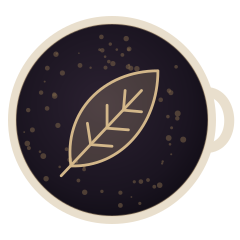
Leaf
Growth · Seasons · Renewal
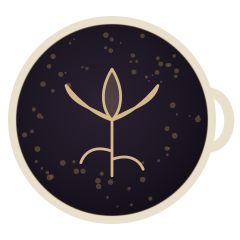
Lily
Peace · Maturity · Calm
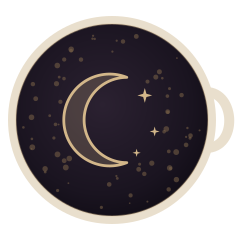
Moon
Feelings · Intuition · Recognition
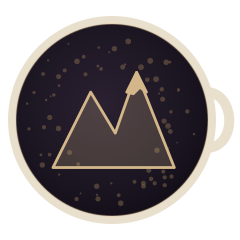
Mountain
Obstacles · Ambition · Endurance
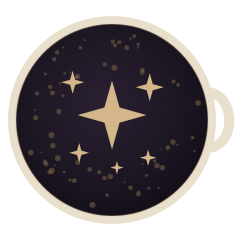
Star
Hope · Clarity · Guidance
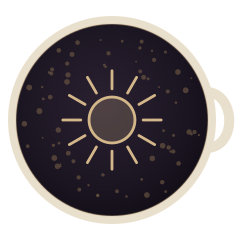
Sun
Warmth · Success · Confidence
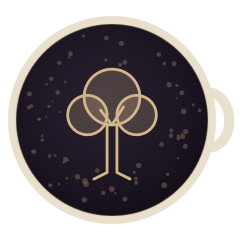
Tree
Growth · Roots · Patience
Objects and places
Everyday objects carry practical meanings: news, home, travel, decisions, and work.
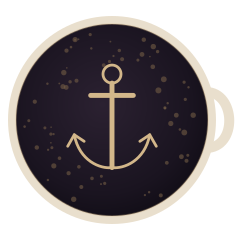
Anchor
Stability · Security · Perseverance
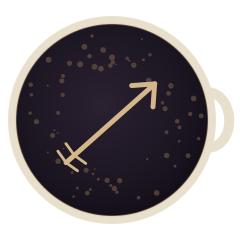
Arrow
Direction · News · Focus
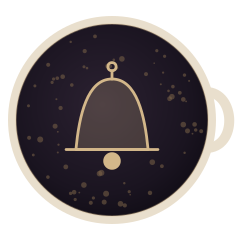
Bell
Announcements · Celebration · Attention
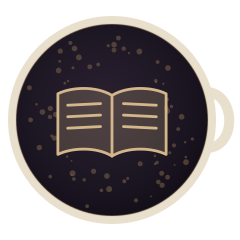
Book
Knowledge · Learning · Secrets
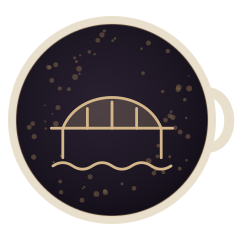
Bridge
Connection · Transition · Opportunity
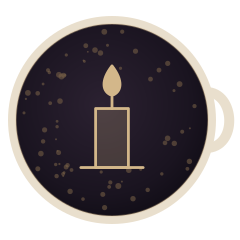
Candle
Light · Inspiration · Patience
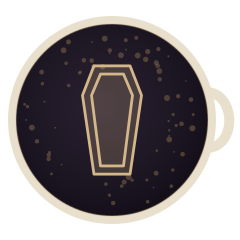
Coffin
Endings · Closure · Rest
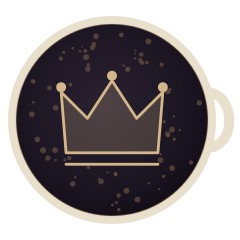
Crown
Success · Recognition · Leadership
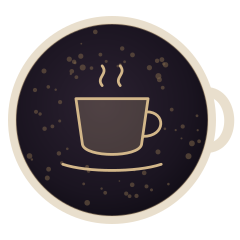
Cup
Emotions · Hospitality · Contentment
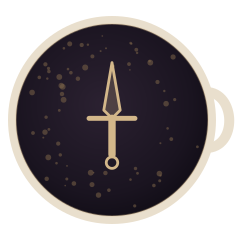
Dagger
Conflict · Sharpness · Decisions
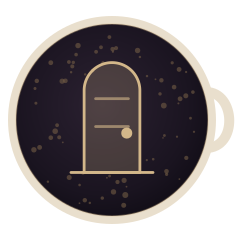
Door
Opportunity · Thresholds · Change
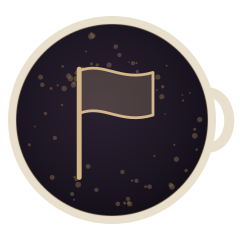
Flag
Attention · Defence · Signals
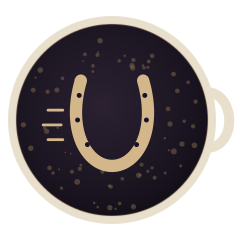
Horseshoe
Luck · Protection · Journeys
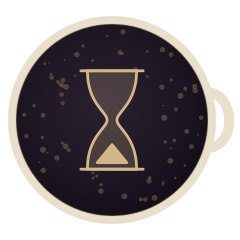
Hourglass
Time · Patience · Urgency
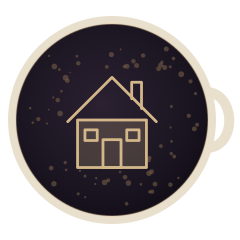
House
Home · Family · Security
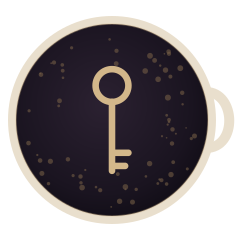
Key
Solutions · Opportunities · Understanding
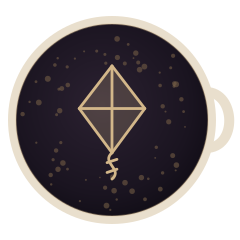
Kite
Wishes · Ambition · Freedom
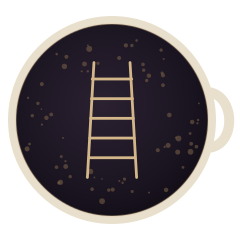
Ladder
Progress · Steps · Ambition

Letter
Messages · News · Communication
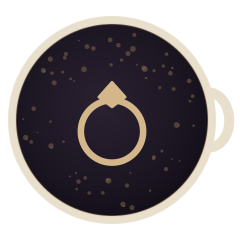
Ring
Commitment · Union · Completion
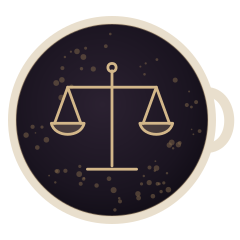
Scales
Balance · Fairness · Decisions
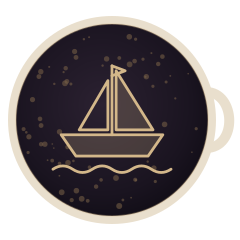
Ship
Travel · Distance · Change
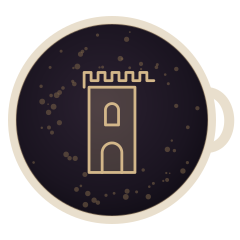
Tower
Ambition · Boundaries · Solitude
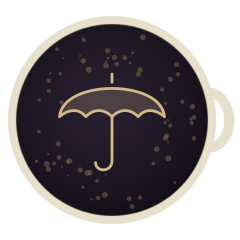
Umbrella
Shelter · Protection · Preparation
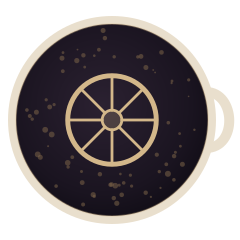
Wheel
Cycles · Progress · Change
Shapes, lines, and signs
Simple shapes and lines are among the most common things in a cup, and among the oldest to read.
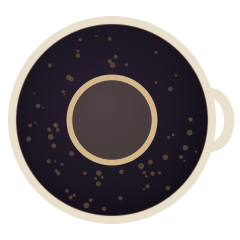
Circle
Completion · Wholeness · Union
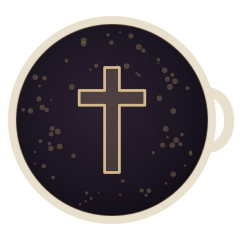
Cross
Burden · Responsibility · Choice
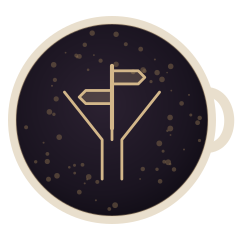
Crossroads
Choice · Options · Alternatives
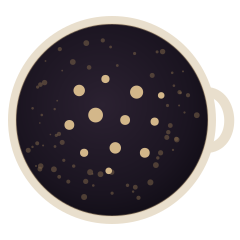
Dots
Money · Small things · Gathering
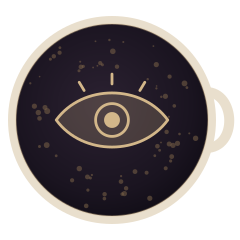
Eye
Awareness · Insight · Caution
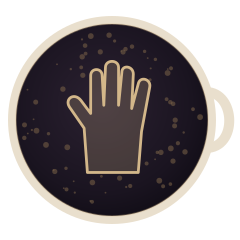
Hand
Help · Friendship · Giving
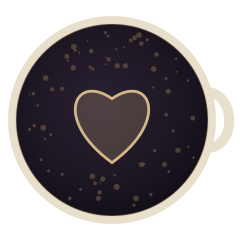
Heart
Love · Affection · Kindness
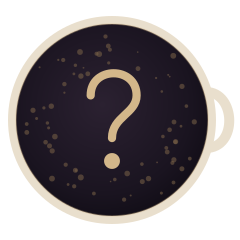
Question mark
Doubt · Curiosity · Openness
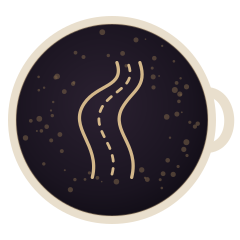
Path or line
Direction · Journey · Progress
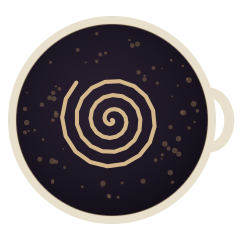
Spiral
Growth · Creativity · Return
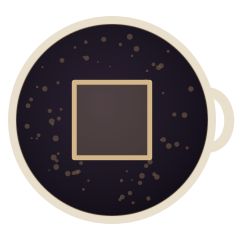
Square
Stability · Protection · Limits
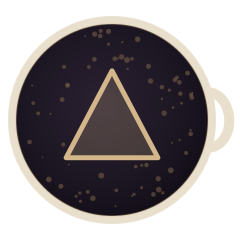
Triangle
Talent · Opportunity · Balance
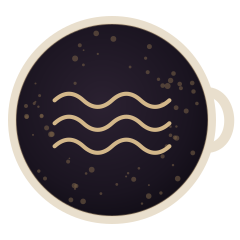
Waves
Emotion · Movement · Travel
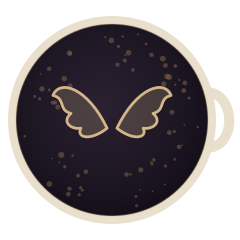
Wings
Freedom · Messages · Aspiration
How do you read symbols in a coffee cup or tea leaves?
Look for the clearest shapes first and name what you see before you look anything up. Then notice where each shape sits: the place in the cup changes how it is traditionally read.
| Where in the cup | Traditionally read as |
|---|---|
| Near the rim | What is close to you now, or soon |
| On the sides | What is developing over the coming weeks |
| At the bottom | What is settled, further away, or deep in the past |
| Near the handle | You, your home, and the people close to you |
| Opposite the handle | Other people, and the wider world |
Do coffee grounds and tea leaves share the same symbols?
Mostly. Coffee cup reading, common across Turkey, Greece, the Balkans, and the Middle East, and British and Irish tea leaf reading share most symbols and the idea that the handle stands for you. Meanings vary between families and readers, so treat them as starting points.
Can a cup reading predict the future?
No. Grounds and leaves fall by chance, and nothing shows that they can predict events. The meaning comes from what you recognise in the shapes, which can bring a hope, a worry, or a decision to the surface. Your choices remain your own.
Learn how to read coffee grounds or how to read tea leaves, step by step.
Updated