THE ELDER FUTHARK
Rune meanings.
The 24 runes of the oldest runic alphabet, in their three ættir. Open a rune to read it in full.
Freyr’s ætt · Hagal’s ætt · Týr’s ætt
Freyr’s ætt
The first eight runes, traditionally linked with the god Freyr: wealth, strength, and everyday life.
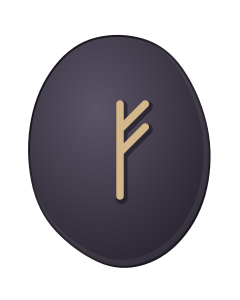
Fehu ᚠ
Wealth · Resources · Value
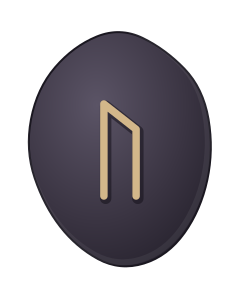
Uruz ᚢ
Strength · Vitality · Endurance
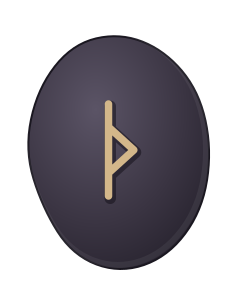
Thurisaz ᚦ
Challenge · Protection · Thresholds
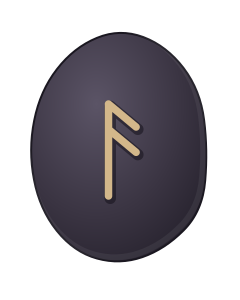
Ansuz ᚨ
Communication · Wisdom · Messages
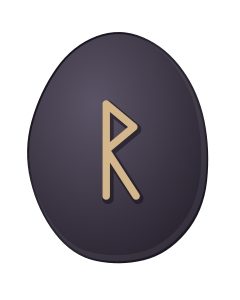
Raidho ᚱ
Journey · Movement · Rhythm
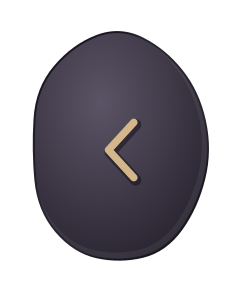
Kenaz ᚲ
Insight · Knowledge · Creativity
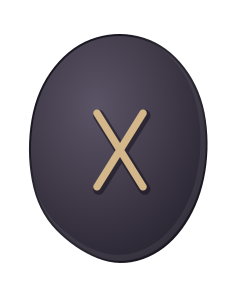
Gebo ᚷ
Gift · Partnership · Exchange
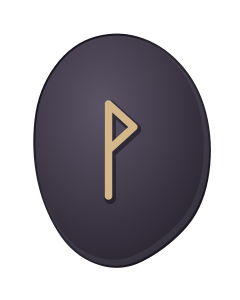
Wunjo ᚹ
Joy · Harmony · Belonging
Hagal’s ætt
The second eight, named after Hagalaz (hail): disruption, need, and the forces we cannot control.
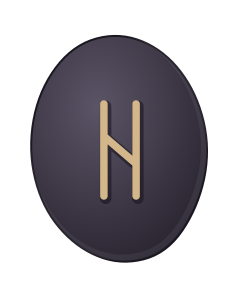
Hagalaz ᚺ
Disruption · Change · Transformation
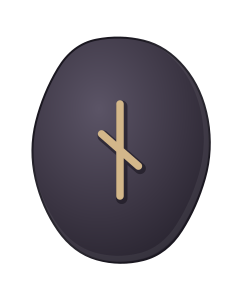
Nauthiz ᚾ
Need · Constraint · Resilience
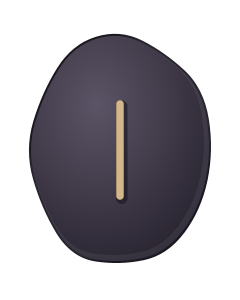
Isa ᛁ
Stillness · Pause · Clarity
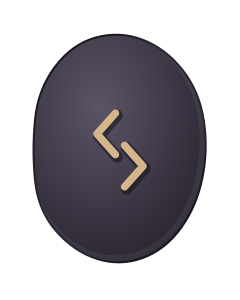
Jera ᛃ
Harvest · Cycles · Patience
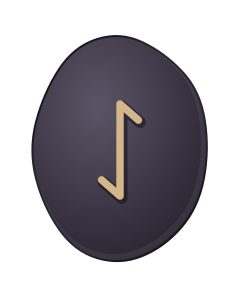
Eihwaz ᛇ
Endurance · Resilience · Change
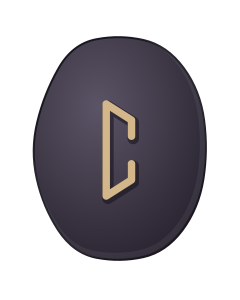
Perthro ᛈ
Mystery · Chance · The unknown
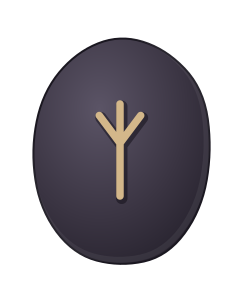
Algiz ᛉ
Protection · Instinct · Boundaries
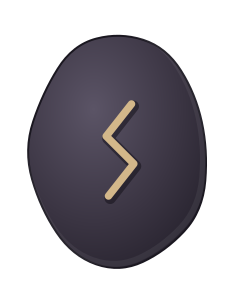
Sowilo ᛊ
Sun · Energy · Wholeness
Týr’s ætt
The last eight, named after the god Týr: justice, growth, community, and heritage.
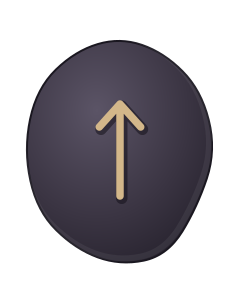
Tiwaz ᛏ
Justice · Courage · Honour
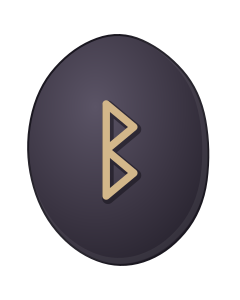
Berkano ᛒ
Growth · Nurture · New beginnings
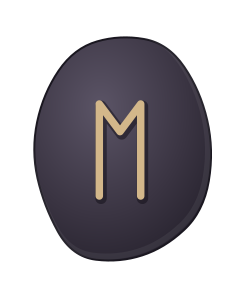
Ehwaz ᛖ
Partnership · Trust · Progress
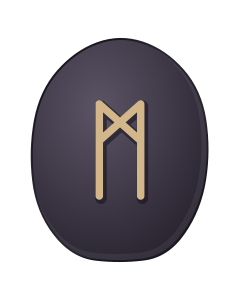
Mannaz ᛗ
Humanity · Self · Community
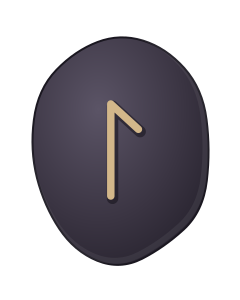
Laguz ᛚ
Flow · Emotion · Intuition
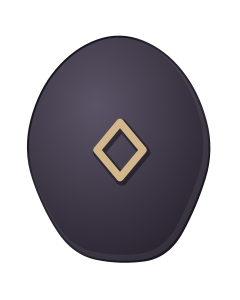
Ingwaz ᛜ
Potential · Completion · Inner growth
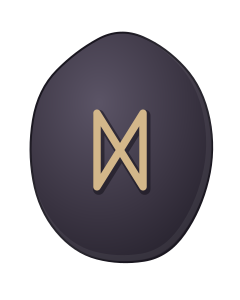
Dagaz ᛞ
Breakthrough · Daylight · Clarity
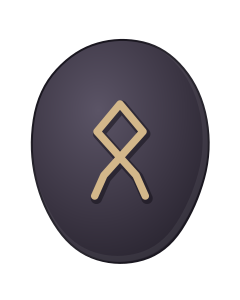
Othala ᛟ
Heritage · Home · Belonging
How many runes are there?
The Elder Futhark has 24 runes in three groups of eight. Later alphabets changed the set: the Younger Futhark of the Viking Age had 16, and the Anglo-Saxon Futhorc grew to about 33.
Are runes Norse or Germanic?
Both, broadly: the Elder Futhark was used across early Germanic-speaking peoples, from Scandinavia to the continent, before the Viking Age.
Try a free rune reading ↗ How to read runes ↗
Updated